
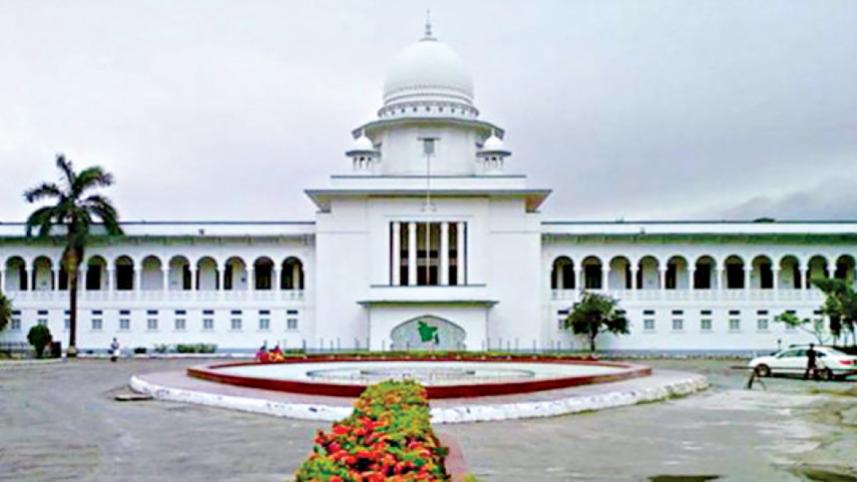
In a historic shift for Bangladesh’s legal and political landscape, the Appellate Division of the Supreme Court has officially restored the non-partisan caretaker system. This monumental decision regarding the Caretaker Government Bangladesh fundamentally rewrites the nation’s immediate electoral future and reestablishes a crucial democratic safeguard that had been absent for over a decade.
The Landmark Legal Ruling on the Caretaker Government Bangladesh
For many years, the abolition of the non-partisan election-time administration has been a major point of severe legal, social, and political contention across the country. The controversial 15th Amendment, which originally scrapped the system back in 2011, has faced relentless scrutiny from constitutional experts, civic rights organizations, and opposition leaders who argued it critically compromised electoral fairness.
With this unprecedented recent ruling, the Supreme Court has unequivocally declared that a neutral interim administration is absolutely necessary to uphold the fundamental constitutional promise of free, fair, and participatory elections. By officially restoring the Caretaker Government Bangladesh, the highest judiciary has demonstrated its profound and unyielding commitment to protecting the nation’s core democratic institutions. This ruling legally mandates that the vital transition of power during general parliamentary elections must be overseen by a non-political entity, completely removing incumbent executive influence from the electoral process.
Why the Non-Partisan System Matters
The return of this constitutional provision is not merely a political victory; it is a massive, historic triumph for the rule of law. A neutral election-time government ensures that the Election Commission, law enforcement agencies, and local civil administrations can operate with absolute independence, without any fear of state-sponsored coercion, intimidation, or administrative bias.
3 Major Impacts of the Supreme Court Ruling
Restoring Public Voter Confidence: The primary, essential function of the Caretaker Government Bangladesh is to guarantee an absolutely level playing field for all participating political factions. When ordinary citizens believe their votes will be securely cast and counted fairly, overall voter turnout and peaceful civic engagement increase dramatically.
Preventing Constitutional Crises: By providing a clear, legally mandated, and neutral framework for the transfer of state power, this ruling actively prevents the violent political stalemates, strikes, and unrest that have historically plagued the nation during highly contested election seasons.
Strengthening Judicial Authority: This landmark verdict serves as a powerful, enduring reminder of the Supreme Court’s supreme authority to strike down parliamentary constitutional amendments that violate the basic structure and democratic spirit of the republic.
The Path Forward for Democratic Integrity
While the judicial decree is crystal clear, the actual, practical implementation of the Caretaker Government Bangladesh framework will require meticulous legal drafting, strict oversight, and broad bipartisan cooperation. Legal scholars, constitutional lawyers, and civil society members must remain highly vigilant. They must ensure that the interim administration is formed strictly according to the specific, non-partisan guidelines set forth by the Appellate Division’s full written verdict.
Furthermore, the interim government will be strictly tasked with routine state functions, absolutely barred from making major policy decisions, and singularly focused on facilitating a peaceful transition of power.
The international community, including major human rights organizations and global democratic watchdogs, has closely monitored this extensive legal battle. This verdict heavily aligns with international standards for democratic governance, political transparency, and fundamental human rights.
As the nation cautiously prepares for its next major political chapter, this ruling will undeniably be remembered as one of the most consequential legal decisions in the country’s modern history. The legal restoration of the neutral caretaker system is a beautiful testament to the enduring power of the constitution and the unyielding demand for justice by the people.
Ensuring these democratic rights aligns directly with the core constitutional values upheld by the Supreme Court of Bangladesh. For more comprehensive updates on constitutional law, civic rights, and major legislative shifts, keep visiting The Legal Doors.